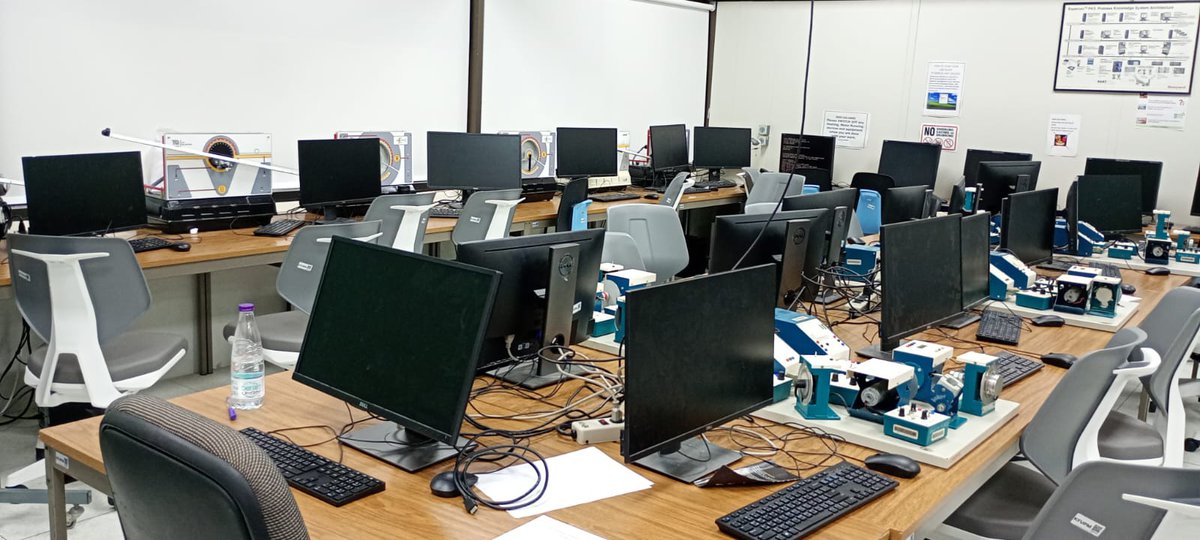
Control Systems Lab
Location: B22-411-1
Courses Taught: CIE 306 Lab, CIE 316 Lab, CIE 435, SCE507
Major Apparatus: DC Motor Control Systems, Ball & Beam Control Systems, Ball & Hoop Control Systems, Magnetic Levitation Systems, Inverted Pendulum Systems, Honeywell DCS
Software in use: Labview, Matlab, EcoStruxure Power Design
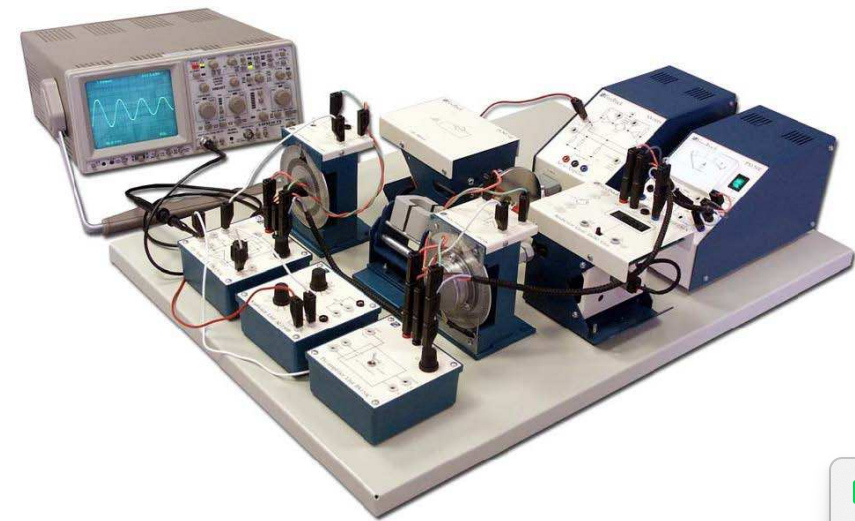
The Feedback Instruments MS150 Modular Servo System is an educational laboratory training platform designed to teach the theory and practice of automatic control systems: open and closed-loop, speed and positional control systems using modular units, both mechanical and electronic, that can be configured to demonstrate the various methods of control techniques.
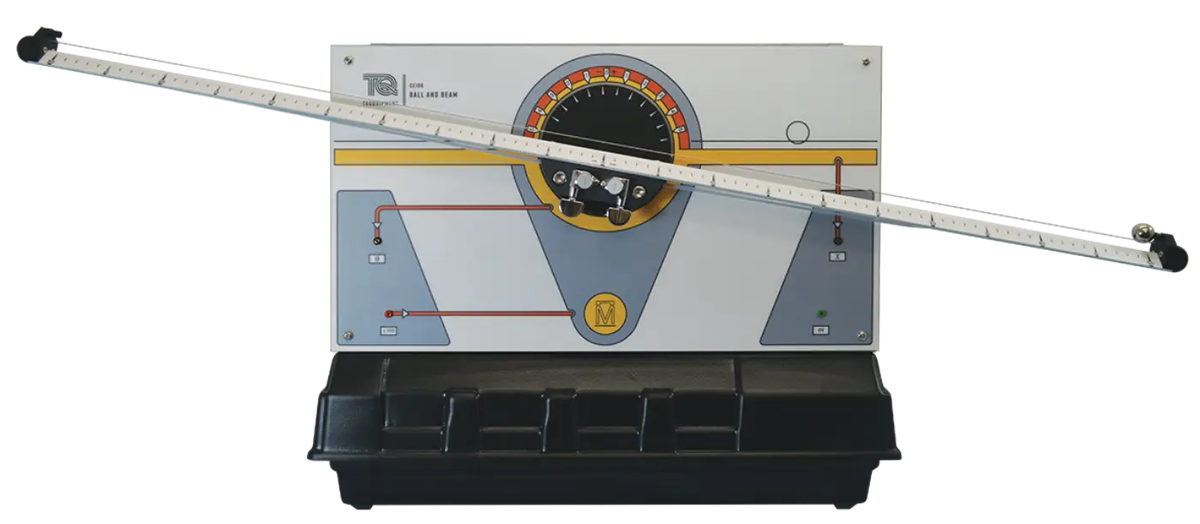
The Ball and Beam Apparatus shows the control problems of unstable systems, for example a rocket or missile during launch, which needs active control to prevent the missile going unstable and toppling over. The apparatus has a steel ball which is free to roll on two parallel tensioned wires. The wires are on a beam that pivots at its centre. A servo motor controls the beam angle and sensors measure the beam angle and ball position. The basic control problem is to vary the beam angle to control the ball position. The system is a double integrator, so it is naturally unstable. It needs active feedback control using phase-advance methods.
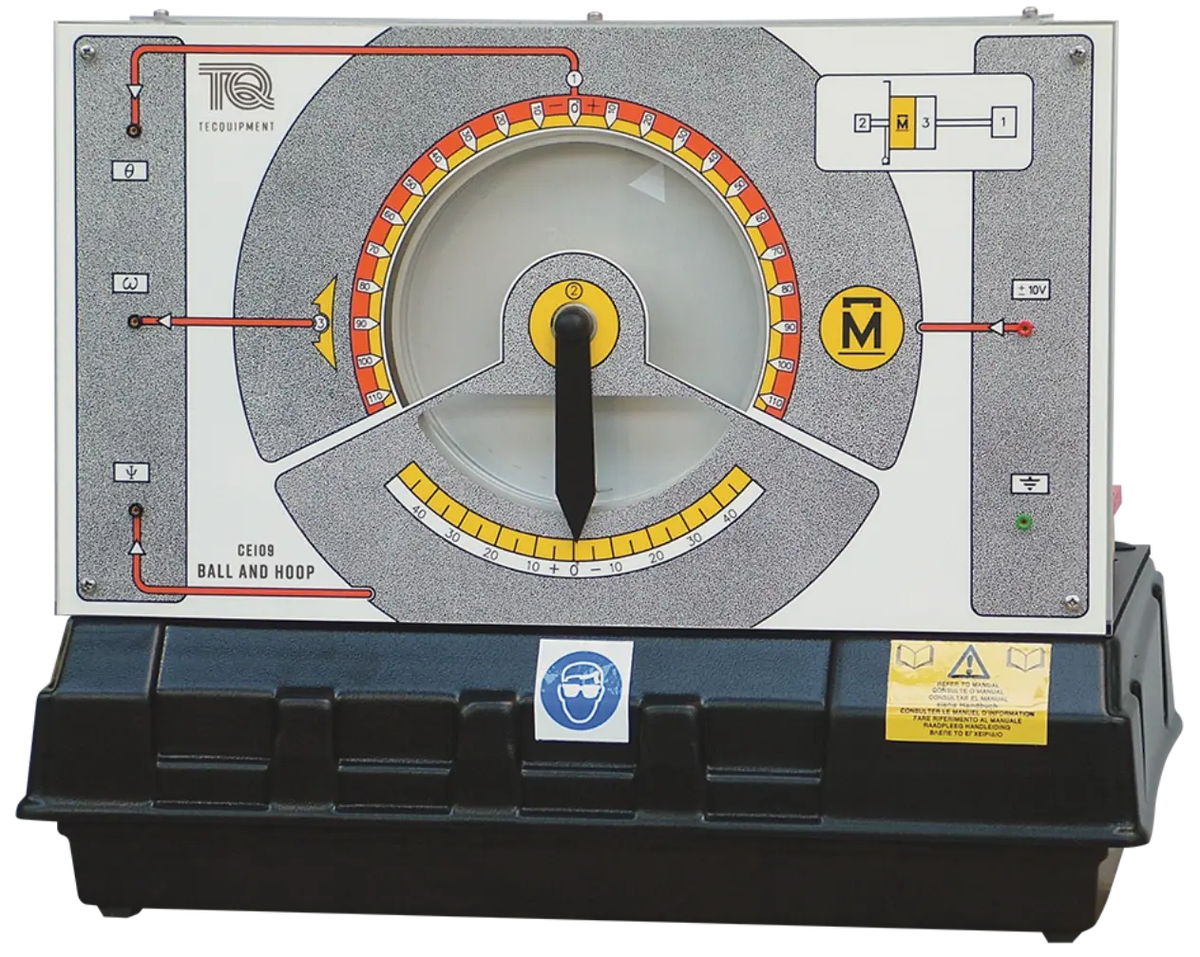
The Ball and Hoop Apparatus shows the use of electromechanical servo systems for position and velocity control. It also works as a model to show liquid slop problems, for example: aircraft missile fuel storage, fuel tankers and industrial pumping systems. The apparatus has a steel ball that rolls inside a hoop. The hoop is free to rotate, but controlled by a servomotor. Transducers give outputs of the hoop and ball positions. When the hoop is under angular position control, the ball moves like a cylindrical pendulum. This allows students to use it as a model for the study of liquid slop dynamics.
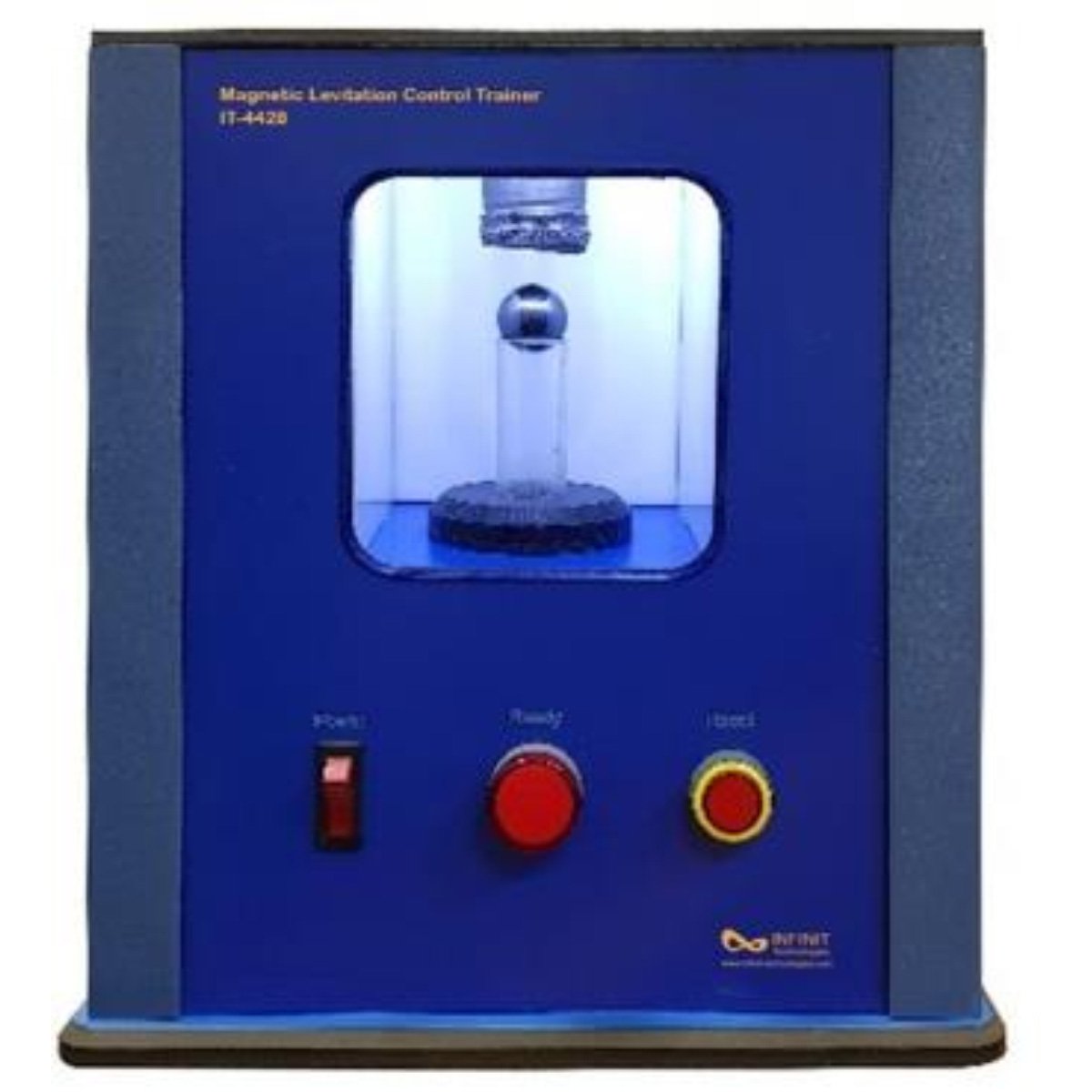
The Magnetic levitation control trainer (IT-4428) is a single degree of freedom Electromagnetic based system which controls the magnetic field generated by an electromagnet to levitate a small magnetic ball vertically up and down in midair. The small magnetic ball levitates in the air indefinitely without any disturbance. The overhead electromagnet, wound in coil, generates an attractive force on the Magnetic ball that initially sits on the post. The total air gap or travel distance between the ball and the magnet (when its initially on the post) is 14 mm. The vertical position of the levitating magnetic ball is measured using a linear Hall effect sensor and the current in the electromagnet is controlled using a controller. The highly nonlinear relationship between the electromagnet and the ball, combined with the electromagnet’s own dynamic behavior, presents a complex control system. This complexity makes it an ideal platform for teaching control theory concepts like modeling, linerization, current control, position control, cascade control, and even more advanced strategies like multi-variable control, gain scheduling, and nonlinear control.
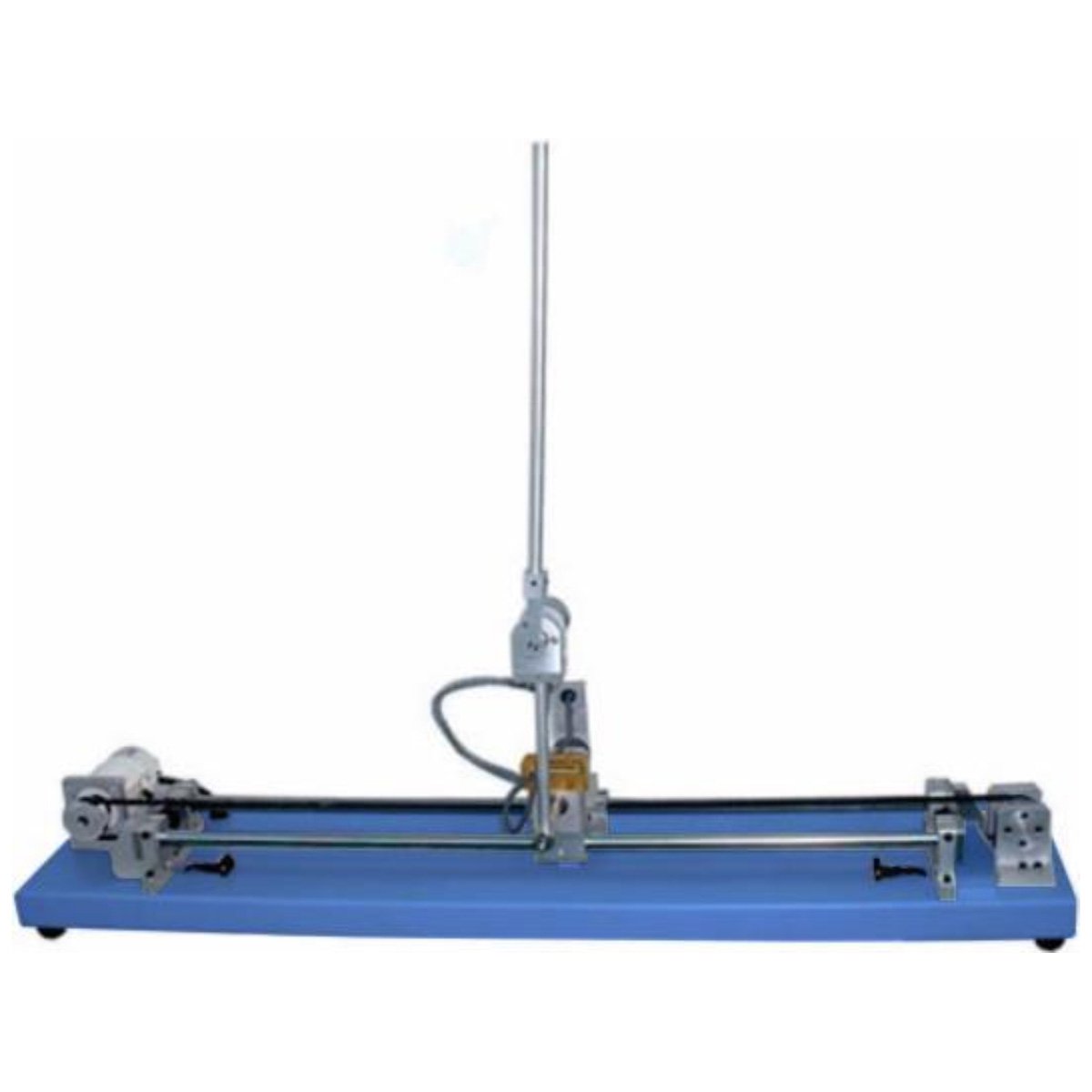
Inverted pendulum system is a nonlinear unstable system an ideal experiment platform for teaching control theories and conducting various control experiments An inverted pendulum is also a research area for many researchers of modern control theories The linear inverted pendulum Trainer adopts an open control solution and a modularise ed experiment platform With the linear motion module as the base platform it is easy to build more than 10 teaching and experiment control platforms satisfying the various needs for control teaching and research